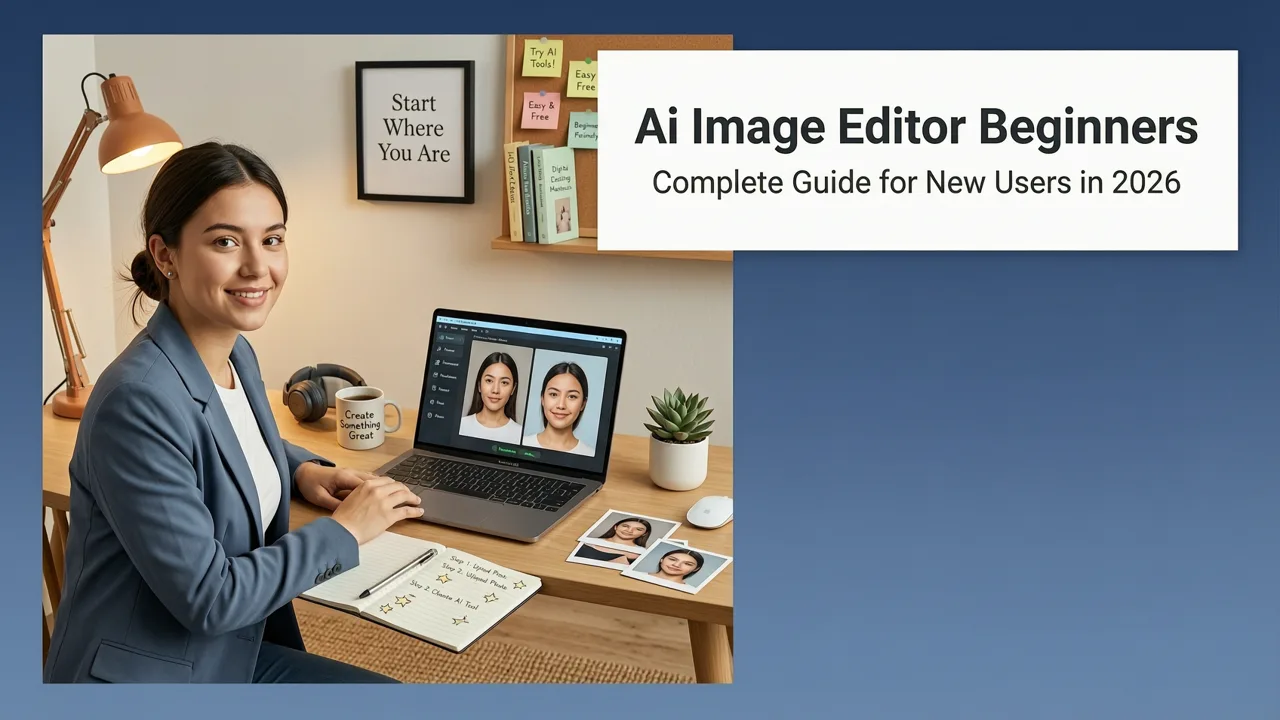
If you have ever felt intimidated by layers, masks, and complex toolbars, finding the best ai image editor for beginners is the single most important step to upgrading your visual content. In 2026, the landscape of photo editing has shifted entirely away from manual pixel manipulation toward intuitive, text-driven workflows that let you describe exactly what you want.
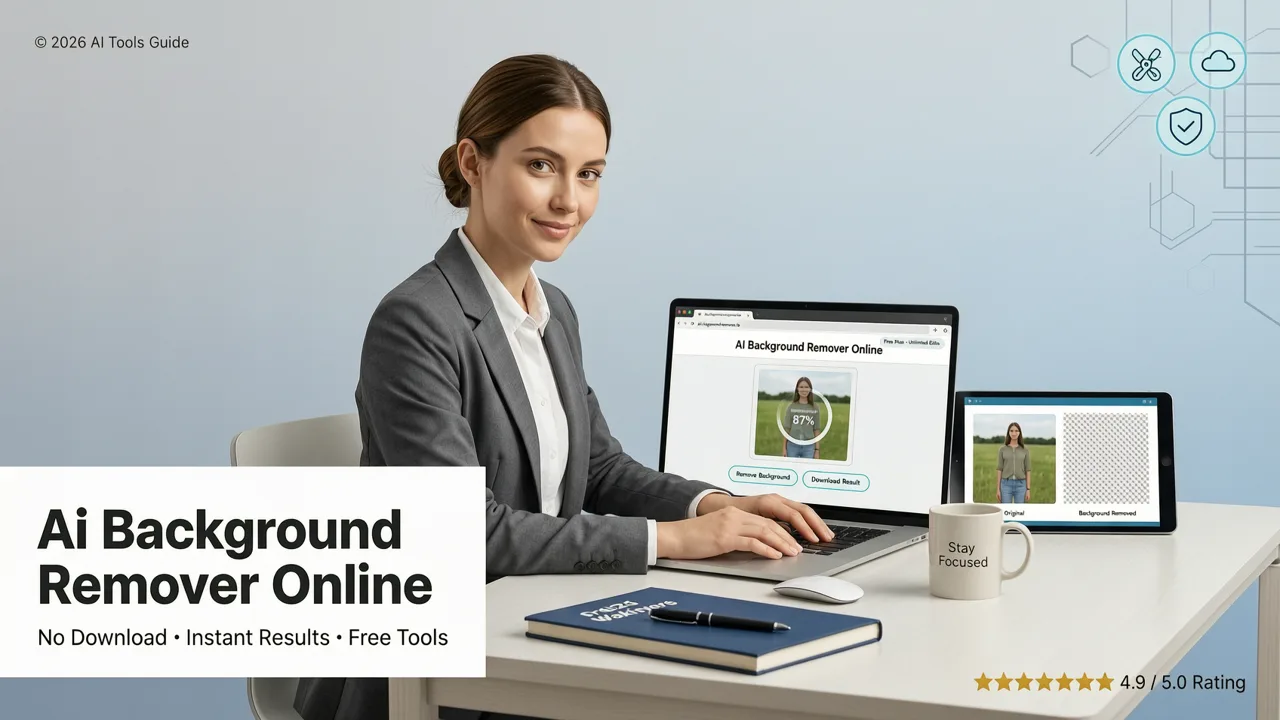
The short answer is that the best platform for novices combines a zero-learning-curve interface with a massive library of specialized tools. Whether you need to remove a distracting background, upscale a blurry product shot, or polish a professional headshot, modern AI handles the heavy lifting so you can focus on creativity rather than software mechanics.
Why the Best AI Image Editor for Beginners Changes the Game in 2026
For decades, professional photo editing required hundreds of hours of training. You had to understand color grading curves, frequency separation, and complex masking techniques just to perform basic retouching. Today, the best ai image editor for beginners completely bypasses that technical barrier.
Why Everyone is Switching to THIS AI Beginner Photo Editing Program | Luminar NEO
by David Manning
This democratization of design is driven by advanced natural language processing and multimodal AI models. Instead of learning where a specific tool is hidden in a dropdown menu, you simply interact with the software using plain English. This shift means that small business owners, social media managers, and everyday consumers can produce studio-quality visuals without hiring an external agency.
Furthermore, the integration of specialized tools into a single dashboard eliminates the need to juggle multiple applications. You no longer need one app for background removal, another for upscaling, and a third for portrait retouching. A unified platform streamlines your workflow, saving valuable time and ensuring consistent output across all your visual assets.
What Makes the Best AI Image Editor for Beginners Stand Out
Not all AI tools are created equal. Many platforms claim to be beginner-friendly but still rely on confusing sliders and ambiguous settings. The true leaders in this space prioritize absolute simplicity and predictable results.
Intuitive Text-Prompt Controls
The hallmark of a top-tier platform is its text-prompt interface. If you want to change the lighting in a room, you do not need to manually adjust the exposure, shadows, and highlights. You simply type a prompt like "make the lighting warmer and add a soft window glow." The AI interprets your intent and applies the adjustment seamlessly across the entire image.
Zero Learning Curve for Complex Tasks
Tasks that used to take hours now take seconds. For instance, if you need to expand the borders of an image to fit a new social media aspect ratio, you can use a generative fill alternative that requires zero technical expertise. The AI analyzes the existing pixels and logically generates new content that matches the lighting, texture, and perspective of the original photo.
All-in-One Versatility
Beginners often get frustrated when they have to switch between different websites to accomplish different tasks. The best platforms offer over 200 specialized tools in one suite. From ecommerce product photography to creative style transfers, everything is housed under one roof with a consistent user interface.
How AI Image Editor Delivers the Best Beginner Experience
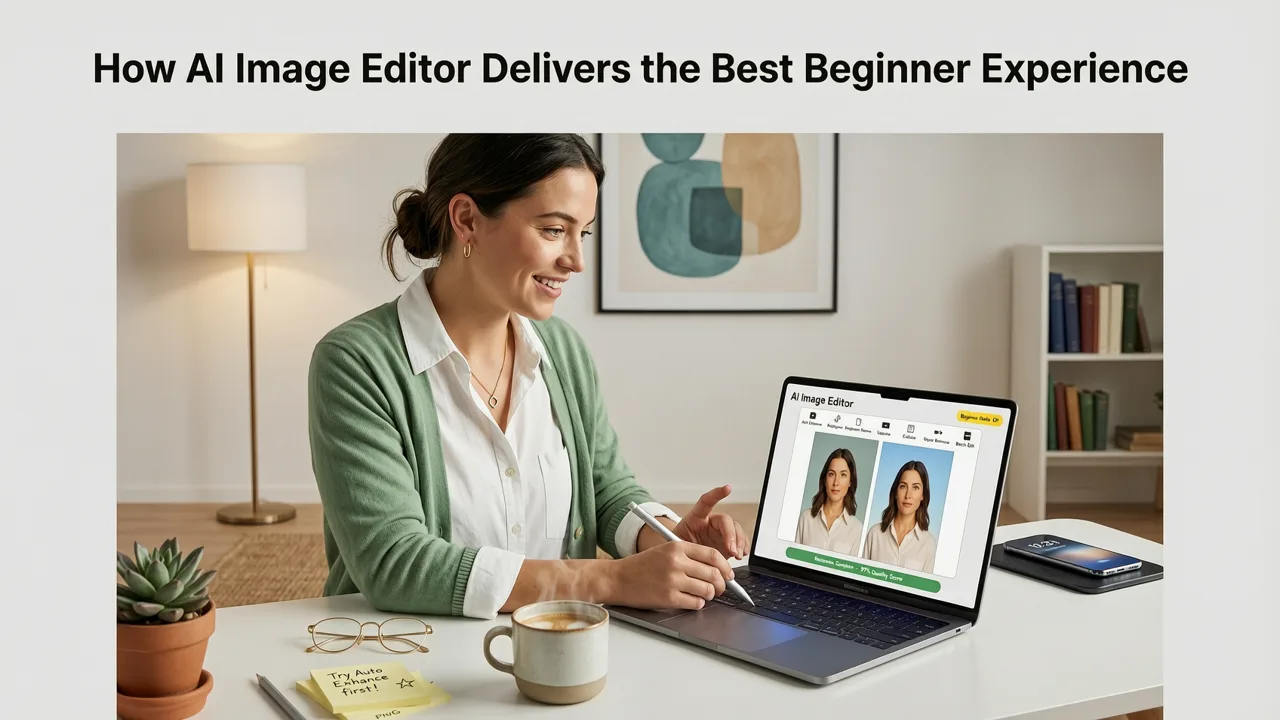
AI Image Editor was built from the ground up to serve creators who value speed and simplicity. The platform operates entirely in your web browser, meaning there is no heavy software to download, install, or update.
The processing pipeline is designed around a simple three-step workflow:
- Upload: Drag and drop your original photo into the browser interface. The system instantly analyzes the image dimensions, format, and content.
- Select and Prompt: Choose from a categorized list of tools or type a custom text prompt. Whether you are looking for AI portrait retouching online or background replacement, the interface guides you through the process.
- Download: Review the high-resolution result and download it instantly. There are no watermarks, no hidden fees, and no waiting in long rendering queues.
This streamlined approach ensures that you spend your time creating content rather than troubleshooting software errors.
Comparing Top Features: Traditional Software vs. AI Prompt Tools
To understand why prompt-based platforms have become the industry standard for novices, it helps to compare them directly with legacy editing software.
| Feature | Traditional Editing Software | AI Prompt-Based Platforms |
|---|---|---|
| Learning Curve | Steep; requires weeks of training | Zero; uses plain English prompts |
| Time to Edit | Minutes to hours per image | Seconds per image |
| Hardware Requirements | High-end GPU and large storage | Any device with a web browser |
| Task Versatility | Requires multiple plugins and tools | 200+ integrated tools in one suite |
| Cost Structure | Expensive monthly subscriptions | Accessible, pay-as-you-go or free tiers |
Real-World Use Cases for Everyday Users and Marketers
The versatility of modern AI editing tools means they can adapt to a wide variety of professional and personal needs.
Ecommerce Product Photography
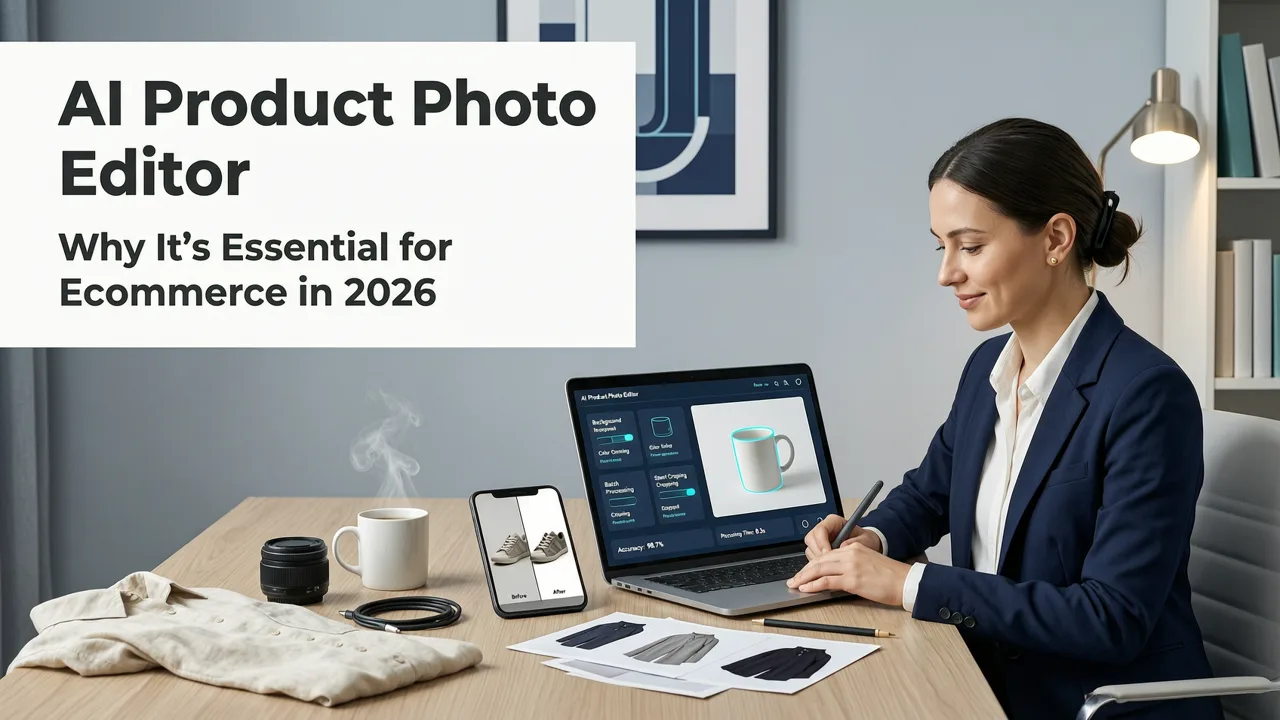
Online sellers know that clean, well-lit product images directly impact conversion rates. Instead of renting a studio or hiring a photographer, sellers can use AI to remove cluttered backgrounds, enhance product colors, and generate lifestyle contexts. This allows small brands to compete visually with major retailers at a fraction of the cost.
Social Media Content Creation
Content creators need to publish frequently across multiple platforms, each with different dimension requirements. AI tools allow you to instantly resize images, remove unwanted objects from the background, and apply trending visual styles without breaking your creative flow.
Personal Portrait Retouching
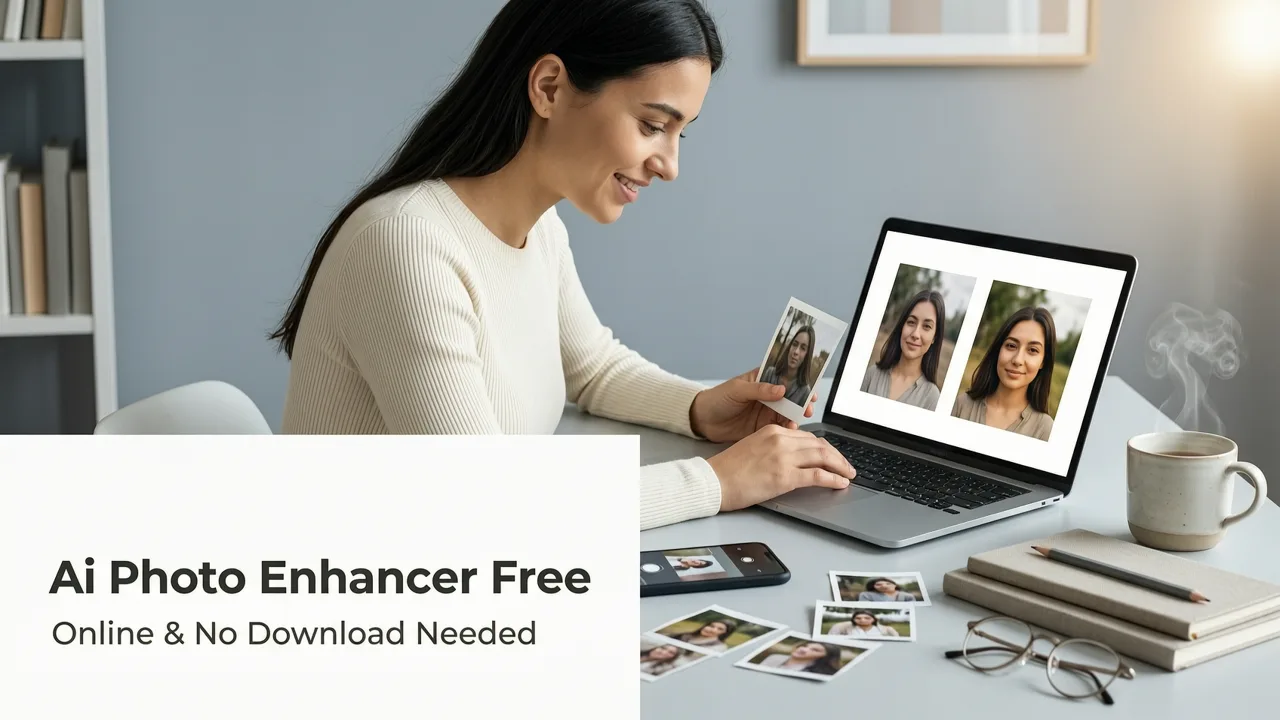
Whether you are updating your LinkedIn profile or preparing photos for a personal website, looking your best is essential. You can easily find an AI portrait retouch free solution to smooth skin, fix lighting, and enhance facial features naturally. For more advanced needs, exploring the best AI portrait retoucher online ensures your headshots look professional and polished.
Understanding the Technology Behind the Magic
While you do not need to understand the underlying mathematics to use these tools, knowing how they work builds trust and helps you write better prompts. Modern image editors rely on diffusion models and semantic segmentation.
Diffusion models work by learning how to reverse the process of adding noise to an image. When you ask the AI to change an element, it understands the spatial relationships and lighting of the surrounding pixels. According to OpenAI documentation on multimodal models, these systems are trained to understand complex contextual cues, allowing them to differentiate between a subject and its background with high precision.
Furthermore, responsible AI development is a major focus in 2026. Following Google AI guidance and similar industry standards, top platforms implement safeguards to prevent the generation of misleading content, ensuring that the tools are used ethically for legitimate creative and commercial purposes.
Essential Tips for Writing Better Prompts as a Beginner
Even with the best interface, the quality of your output depends heavily on the quality of your input. Here is how to get the most out of text-prompt editing:
- Be Specific: Instead of saying "make it look better," say "increase the contrast, sharpen the details, and make the colors more vibrant."
- Describe the Lighting: Lighting defines the mood. Use terms like "soft natural light," "dramatic studio lighting," or "golden hour glow" to guide the AI.
- Specify the Subject: If you are editing a product, explicitly state what the product is. This helps the AI preserve the core details while modifying the environment.
- Iterate and Refine: If the first result is not perfect, tweak your prompt slightly. AI editing is a collaborative process, and minor adjustments often yield the perfect result.
Conclusion
Finding the best ai image editor for beginners in 2026 is no longer about searching for a simplified version of professional software. It is about embracing a completely new paradigm where your ideas are the only limit. By leveraging text-prompt tools, you can bypass the technical hurdles of traditional design and produce stunning visuals in seconds.
Ready to transform your workflow and elevate your visual content? Stop struggling with complex menus and start creating. Visit AI Image Editor today to explore over 200 powerful tools designed to make professional photo editing effortless, fast, and accessible to everyone.